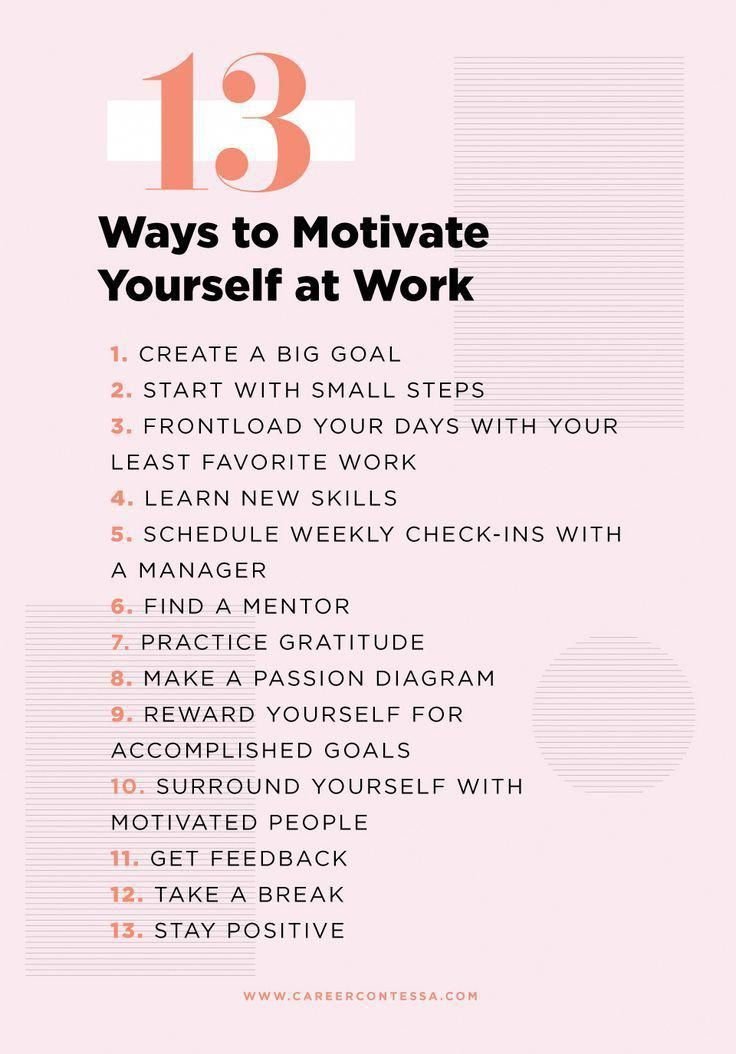
Staring at a blank screen or a mountain of paperwork? Feeling that familiar drag of not wanting to do… any of it? You're not alone. One of the biggest hurdles to career success is simply maintaining consistent motivation tips for work. The good news is, motivation isn't some mystical force – it's a skill you can develop.
At a glance:
- Learn to connect daily tasks to the bigger picture for increased meaning.
- Discover how simple rewards can create powerful positive feedback loops.
- Master practical strategies to minimize distractions and maximize focus.
- Uncover the impact of mindset and environment on your daily motivation.
- Implement a personalized action plan to boost your drive and achieve your goals faster.
Understanding Your Motivation: Intrinsic vs. Extrinsic
Before diving into practical tips, let’s get clear on the two main types of motivation. Think of it like this:
- Intrinsic Motivation: This comes from within. You enjoy the work itself. Maybe you love solving complex problems, or you feel a deep sense of satisfaction when you help a client. It's like playing a sport you enjoy – the fun is in the activity.
- Extrinsic Motivation: This comes from external rewards or pressures. Think salary, bonuses, promotions, or even the fear of getting fired. It's like working overtime just to get the bigger paycheck.
While both types can get you going, intrinsic motivation is the more sustainable source of drive. That said, the most effective approach combines both.
Goal Setting: Aligning Tasks With Your "Why"
One of the most effective motivation tips for work is goal setting. But not just any goals. We're talking goals that resonate with your values and the bigger picture.
Instead of just seeing tasks as isolated chores, make sure you connect them to larger organizational goals. Ask yourself: How does my work contribute to the company's mission? How does it help our customers? How does it impact my team?
For example, if you're writing marketing copy, don't just think of it as "writing blog posts." Think of it as "helping potential customers learn about solutions that can improve their lives."
Turn broad goals into SMART action plans:
- Specific: Instead of "Improve customer satisfaction," try "Reduce customer support response time by 15%."
- Measurable: Track your progress using key metrics like customer satisfaction scores or response times.
- Attainable: Set goals that are challenging but realistic. Don't try to overhaul the entire customer service system in a week.
- Relevant: Ensure your goals align with the overall objectives of your team and the company.
- Time-bound: Set a deadline for achieving your goals. This creates a sense of urgency and helps you stay on track.
Mastering Task Management: Breaking Down the Monster
Large, complex projects can feel overwhelming and kill your motivation before you even start. The solution? Break them down into smaller, more manageable tasks.
Think of it like eating an elephant: you wouldn’t try to swallow it whole. You’d take it one bite at a time.
Here's how to break down tasks effectively:
- Identify the main components: List all the major steps involved in the project.
- Divide each component into sub-tasks: Break down each major step into smaller, more specific actions.
- Estimate the time required for each sub-task: This helps you plan your schedule and track your progress.
- Prioritize your tasks: Use a system like the Eisenhower Matrix (Urgent/Important) to focus on the most critical items.
- Celebrate small wins: Acknowledge and reward yourself for completing each sub-task.
Example:
Let’s say your goal is to "Launch a new marketing campaign."
- Main Components: Market Research, Content Creation, Campaign Setup, Promotion, Analysis.
- Content Creation Sub-Tasks: Write blog post, design social media graphics, create email sequence, record video.
- Prioritize: Focus on the blog post first, as it can be repurposed for other channels.
Rewards and Incentives: Hacking Your Brain's Dopamine
Let's face it, sometimes the work itself just isn't that exciting. That's where rewards and incentives come in. They can provide that extra push you need to get started and stay motivated. Short & Direct: * Find your work motivation. Benefit-Oriented: * Unlock your work motivation. Curiosity-Driven: * Discover motivation that works. Problem/Solution: * Boost your work motivation now.
The key is to create a system that works for you. Think of it like training a dog. You reward them for good behavior, and they're more likely to repeat it.
Here are some ideas for setting up your own reward system:
- Pre-Task Rewards: Promise yourself a treat before you start a task. This could be a cup of coffee, a short walk, or listening to your favorite song.
- Post-Task Rewards: Reward yourself after completing a task. This could be anything from a snack to a longer break or even watching an episode of your favorite show.
- Tangible Rewards: Set up a points system where you earn points for completing tasks and can redeem them for bigger rewards like a new gadget or a weekend getaway.
Important note: Align your rewards with your goals. Rewarding healthy behavior with more healthy behavior is key to creating sustainable habits.
Mindset Matters: Cultivating a Positive Attitude
Your mindset plays a crucial role in your motivation. If you constantly focus on the negative aspects of your work, you're going to struggle to stay motivated.
Here's how to cultivate a more positive attitude:
- Focus on Progress: Instead of dwelling on what you haven't accomplished, celebrate how far you've come.
- Practice Gratitude: Take a few minutes each day to appreciate the good things in your life and work.
- Self-Compassion: Be kind to yourself when you make mistakes. Everyone does. Learn from them and move on.
- Visualization: Imagine yourself succeeding in your tasks. This can boost your confidence and motivation.
- Reframe Negative thoughts: Turn "I can't do this" into "I can learn how to do this".
Example:
Instead of thinking, "This project is too hard," try thinking, "This project is a challenge, and I'm going to learn a lot from it."
Environment and Social Factors: Optimize Your Surroundings
Your physical and social environment can significantly impact your motivation. A distracting, negative environment can drain your energy, while a supportive and inspiring environment can boost your drive.
Optimize your environment:
- Minimize Distractions: Silence your phone, close unnecessary tabs on your computer, and find a quiet workspace.
- Tidy Workspace: A cluttered desk = a cluttered mind. Take a few minutes each day to organize your workspace.
- Find Your Ideal Work Place: Experiment with different work locations (home, coffee shop, library) to find what works best for you.
Leverage social connections: - Surround Yourself with Positive Influences: Spend time with people who are motivated and supportive.
- Find an Accountability Buddy: Partner with someone to track your progress and keep each other accountable.
- Seek Out a Supportive Work Culture: Look for companies that value employee well-being and offer opportunities for growth.
Self-Care and Personal Development: Fueling Your Body and Mind
You can't pour from an empty cup. Taking care of your physical and mental health is essential for maintaining long-term motivation.
Prioritize self-care:
- Adequate Sleep: Aim for 7-8 hours of sleep per night.
- Healthy Diet: Eat nutritious foods that give you energy.
- Regular Exercise: Physical activity can boost your mood and reduce stress.
- Work-Life Balance: Set boundaries between work and personal life.
Invest in personal development: - Learn New Skills: Take courses or workshops to expand your knowledge and abilities.
- Seek Mentorship: Find someone who can provide guidance and support.
- Creative Outlets: When working on a monotonous task, find elements that allow you to be creative.
Proactive Communication: Clarifying Expectations
Misunderstandings and unclear expectations can lead to frustration and demotivation. Proactive communication is key to ensuring everyone is on the same page.
- Discuss Expectations with Your Manager: Regularly check in with your manager to discuss your goals, responsibilities, and performance.
- Maintain Open Communication with Team Members: Communicate clearly and proactively with your team members to avoid misunderstandings and ensure everyone is working towards the same goals.
Common Pitfalls to Avoid
Even with the best strategies, you may encounter obstacles that derail your motivation. Here are some common pitfalls to watch out for:
- Overload: Avoid taking on too much at once. Learn to say no and delegate tasks when possible.
- Multitasking: Focus on one task at a time. Multitasking reduces productivity and increases stress.
- Perverse Incentives: Ensure your reward system aligns with your goals.
- Dwelling on the Unchangeable: Focus on what you can control. Don't stress over things you can't change.
Motivation Tips For Work: Quick Answers
Q: I feel overwhelmed by my workload. What should I do?
A: Break down your tasks into smaller, more manageable steps and prioritize them based on urgency and importance. Refer back to the section on Mastering Task Management.
Q: How can I stay motivated when I don't enjoy my work?
A: Focus on the bigger picture and how your work contributes to the overall goals of the organization. Also, explore opportunities to develop new skills or take on new challenges that you find more engaging.
Q: What if my rewards system stops working?
A: Re-evaluate your rewards and try something new. Our brains adapt, so change up the system. Also, make sure the reward is still something you value.
Q: How do I deal with a negative work environment?
A: Focus on building positive relationships with your colleagues and creating a supportive network. If the negativity is pervasive, consider seeking out a different work environment.
Your Actionable Takeaways
Ready to apply these motivation tips for work? Here’s a quick start guide:
- Set a SMART Goal: Define one specific, measurable, attainable, relevant, and time-bound goal you want to achieve in the next week.
- Break it Down: Divide that goal into smaller, manageable tasks.
- Choose a Reward: Select a pre-task and a post-task reward to motivate yourself.
- Schedule It: Block out time in your calendar to work on your tasks.
- Reflect: At the end of the week, review your progress and adjust your strategies as needed.
Motivation isn't a static state; it's a dynamic process that requires ongoing effort and attention. By implementing these strategies, you can unlock your full potential and achieve your goals with greater ease and satisfaction.