For the bigger picture and full context, make sure you read our main guide on What Motivates You: Finding Work That Sparks Your Drive?.
Feeling stuck in a job that feels meaningless? Many find true motivation not in climbing the corporate ladder, but in knowing their work genuinely helps others. Discovering what drives you when it comes to making a tangible difference can unlock a powerful source of career fulfillment.
At a glance:
- Learn how to identify if "making a real-world impact" is a core motivator for you.
- Discover ways to align your work with your values to create a more fulfilling career.
- Craft compelling interview answers that showcase your passion for positive change.
- Understand how to leverage the STAR method to highlight your impact-driven achievements.
- Explore different career paths where you can make a significant contribution.
Is Making a Difference Really What Drives You?
Before you declare that impact is your primary motivator, take a moment for honest self-reflection. It's easy to say you want to change the world, but is it truly a driving force behind your actions?
Ask yourself:
- Do you volunteer your time or donate to causes you care about? Action speaks louder than words.
- Are you drawn to news stories about social issues and environmental concerns? Do you feel compelled to get involved?
- Do you actively seek opportunities to help others in your daily life? Even small acts of kindness can be indicative of a larger desire to make a difference.
- Do you feel a sense of purpose when your work benefits others, even indirectly?
If you answered "yes" to most of these questions, chances are that making a real-world impact is a significant motivator for you.
Aligning Your Career With Your Desire to Make a Difference
Once you've confirmed that impact is a core motivator, the next step is to find ways to align your career with this value. This doesn't necessarily mean quitting your job and becoming a full-time activist (although it could!). It might involve finding ways to incorporate your values into your current role or seeking out new opportunities that are more aligned with your passion. Find your work motivation by exploring the possibilities.
Finding the Meaning Within Your Current Role
Even if your job isn't directly related to social impact, you can still find ways to make a difference.
- Identify the positive impact of your company or organization. What problems are they solving? How are they contributing to society? Understanding the bigger picture can help you feel more connected to your work.
- Look for opportunities to use your skills to help others. Can you volunteer your time to a company-sponsored initiative? Can you mentor a colleague or offer your expertise to a local non-profit?
- Advocate for ethical and sustainable practices within your workplace. Even small changes can have a big impact over time.
Example: Sarah works as a marketing manager for a food company. While she's not directly involved in fighting hunger, she focuses her marketing efforts on promoting healthy eating habits and reducing food waste. She also volunteers for the company's annual food drive and encourages her colleagues to participate.
Seeking Out Impact-Focused Roles
If you're looking for a more direct way to make a difference, consider exploring career paths that are explicitly focused on social impact.
These might include:
- Non-profit organizations: Working for a charity or advocacy group allows you to directly contribute to a cause you care about.
- Social enterprises: These businesses are designed to solve social or environmental problems while also generating a profit.
- Government agencies: Many government jobs involve working on programs that benefit the public good.
- Corporate social responsibility (CSR): Many companies are now hiring professionals to manage their CSR initiatives and ensure they're operating in a socially responsible manner.
Example: David worked in finance for many years, but he felt unfulfilled. He eventually made a career change and now works as a program manager for a non-profit that provides housing assistance to low-income families. He finds his work incredibly rewarding and feels like he's finally making a real difference in the world.
Answering "What Motivates You?" When Impact Matters Most
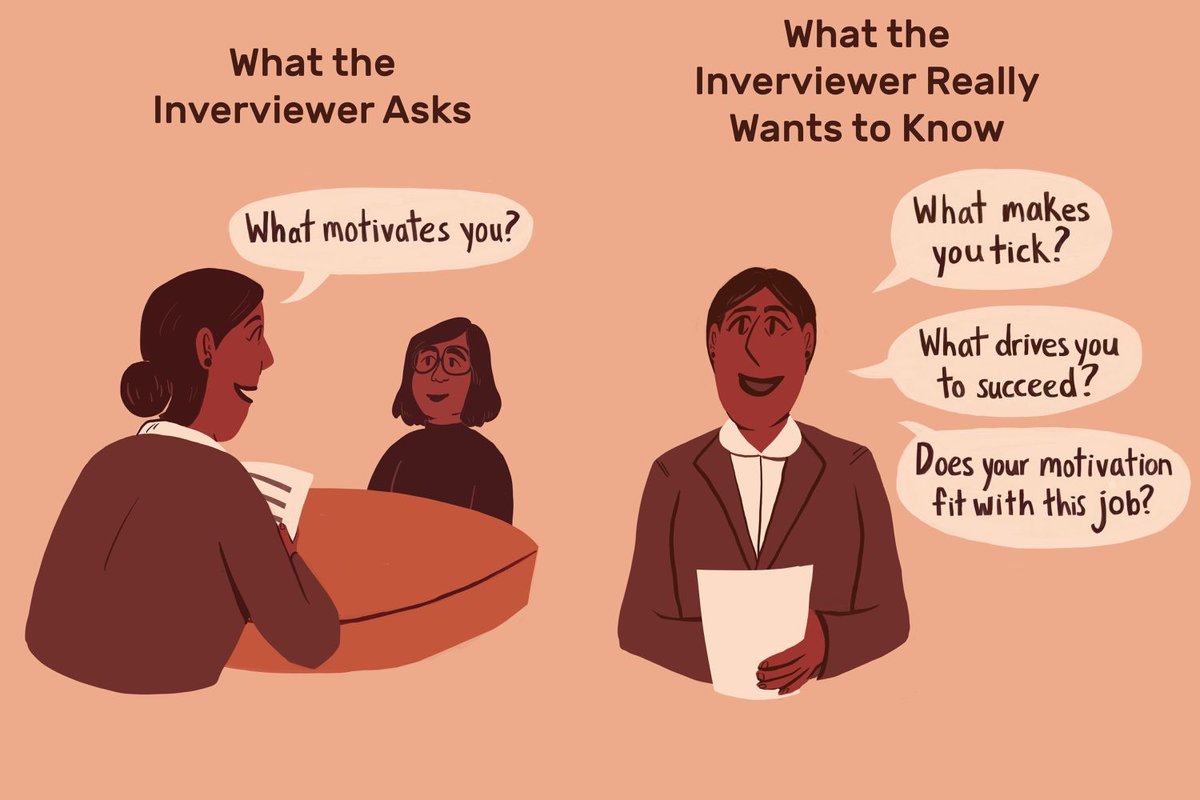
When asked "What motivates you?" in an interview, highlighting your desire to make a real-world impact can be a powerful way to showcase your passion and values. However, it's important to be genuine and specific.
Tailoring Your Response
- Connect your motivations to the company's mission. Research the company's values and social impact initiatives. Explain how your desire to make a difference aligns with their goals.
- Highlight your skills and experiences that demonstrate your commitment to social impact. Have you volunteered, worked for a non-profit, or participated in any CSR activities? Be sure to mention these experiences.
- Be authentic and enthusiastic. Let your passion for making a difference shine through.
Using the STAR Method
The STAR method (Situation, Task, Action, Result) is a great way to provide specific examples of how you've made a positive impact in the past.
Example:
- Situation: During my time as a student, I noticed that many students struggled to access affordable textbooks.
- Task: I decided to create a textbook exchange program to help students save money and reduce waste.
- Action: I partnered with the university library to set up a designated space for students to donate and borrow textbooks. I also promoted the program through social media and campus events.
- Result: The textbook exchange program saved students an estimated $10,000 in textbook costs within the first semester. The program also reduced textbook waste and promoted sustainability on campus.
Common Pitfalls to Avoid
- Vague statements: Avoid generic statements like "I want to make the world a better place." Be specific about what kind of impact you want to make and how you plan to achieve it.
- Lack of authenticity: Don't try to fake a passion for social impact if it's not genuine. Employers can usually spot insincerity.
- Overly ambitious goals: While it's good to have big aspirations, focus on realistic and achievable goals.
Career Paths Where You Can Truly Make a Difference
Here are a few examples of career paths where you can make a significant contribution to society:
| Career Path | Description | Potential Impact |
|---|---|---|
| Healthcare Professional | Doctors, nurses, therapists, and other healthcare providers directly improve the health and well-being of individuals and communities. | Providing medical care, preventing disease, improving quality of life. |
| Educator | Teachers, professors, and other educators shape the minds of future generations and promote lifelong learning. | Empowering students, fostering critical thinking, preparing individuals for success. |
| Social Worker | Social workers provide support and resources to individuals and families facing challenges such as poverty, abuse, and mental illness. | Helping vulnerable populations, advocating for social justice, promoting well-being. |
| Environmental Scientist | Environmental scientists study the environment and develop solutions to protect natural resources and mitigate climate change. | Conserving biodiversity, reducing pollution, promoting sustainable practices. |
| Non-profit Professional | Non-profit professionals work for organizations that address social issues such as poverty, homelessness, and hunger. | Providing essential services, advocating for policy changes, raising awareness. |
| Public Service Professional | Policymakers, urban planners, and other public servants work to improve the quality of life in their communities. | Improving infrastructure, promoting economic development, ensuring public safety. |
| Corporate Social Responsibility Professional | CSR professionals work within corporations to develop and implement strategies that promote social and environmental responsibility. | Reducing environmental impact, promoting ethical business practices, supporting community development. |
Quick Answers: Common Questions about Impact-Driven Motivation
Q: Is it okay to say I'm motivated by both making a difference and earning a good salary?
A: Yes, but frame it carefully. Focus on the impact first, and then briefly mention that fair compensation allows you to dedicate yourself fully to the work. Emphasize that the salary is a means to an end, not the primary driver.
Q: What if I haven't had any formal volunteer experience?
A: Think about other ways you've made a difference in your community or personal life. Have you helped a neighbor, tutored a student, or organized a fundraising event? Even small acts of kindness can demonstrate your desire to make a positive impact.
Q: How do I avoid sounding preachy or self-righteous when talking about my motivation?
A: Focus on your genuine passion for making a difference and avoid making sweeping generalizations or judging others. Be humble and acknowledge that everyone has their own unique motivations.
Your Actionable Path Forward
Ready to translate your desire to make a real-world impact into a fulfilling career? Start with these three steps:
- Identify your specific area of passion: What social or environmental issues resonate most deeply with you?
- Research organizations or companies that are working on these issues: Look for opportunities to volunteer, intern, or work for these organizations.
- Network with professionals in the field: Attend industry events, join online communities, and reach out to people who are working in careers that interest you.
By taking these steps, you can start to build a career that is not only fulfilling but also makes a meaningful contribution to the world.