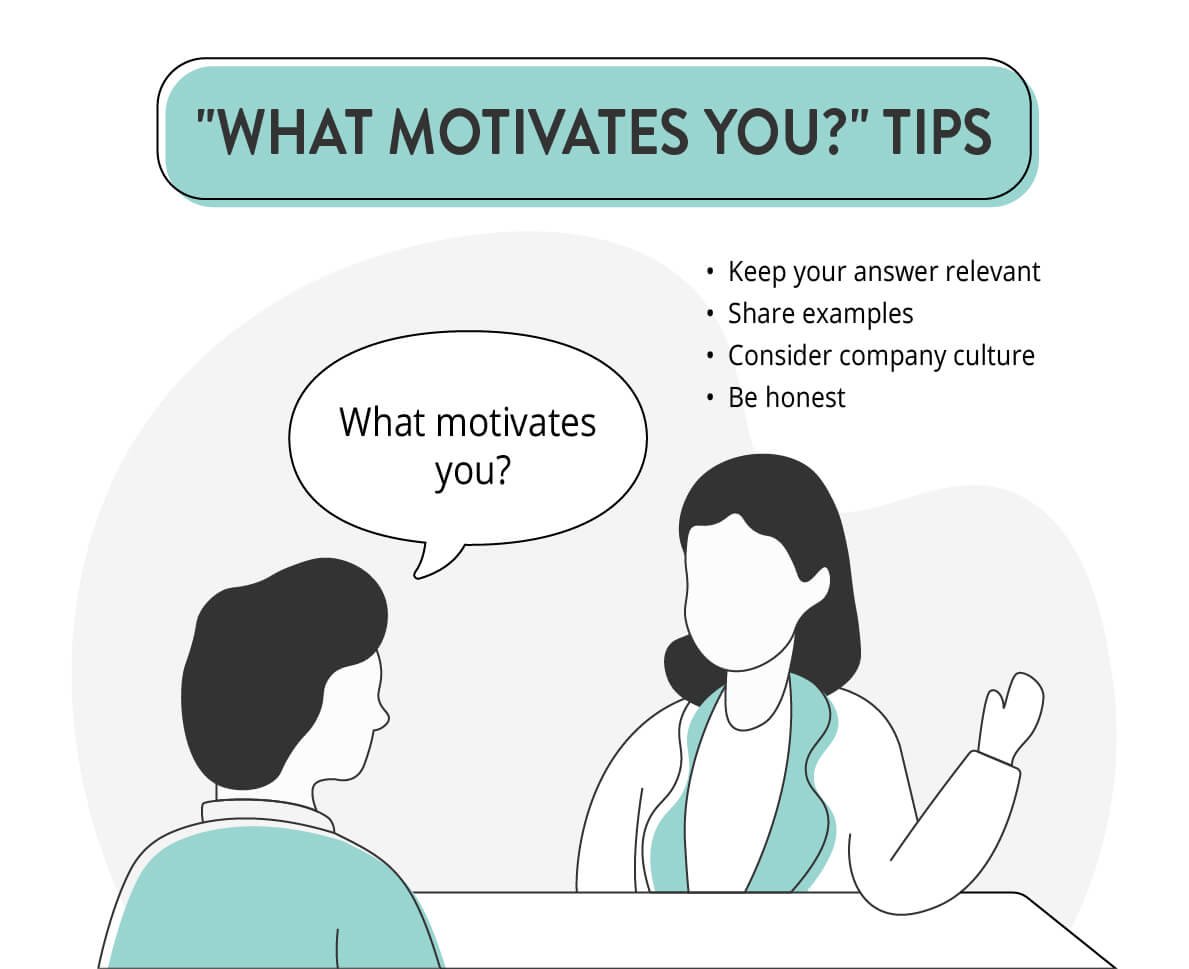
Have you ever felt like you're just going through the motions at work? Understanding what drives your professional life isn't just about answering an interview question; it's about finding genuine fulfillment in your career. It's about aligning your daily tasks with your long-term ambitions and core values.
At a glance:
- Uncover your core professional motivations using the PSRC framework.
- Learn how to articulate your motivations in a compelling and authentic way.
- Tailor your understanding of what drives you to fit specific roles and company cultures.
- Avoid common pitfalls like generic answers or focusing solely on compensation.
- Prepare for tricky interview questions about motivation.
The PSRC Framework: Your Compass for Uncovering Motivation
The PSRC framework is a powerful tool to help you structure and articulate what truly motivates you. It ensures you're not just stating a desire but demonstrating it with concrete evidence.
- Primary Motivator: Identify the core category that resonates most with you (Achievement, Growth, Social, Purpose, Stability).
- Supporting Context: Briefly explain why this motivator is important to you. What personal experiences or values underpin this drive?
- Relevant Example: Share a specific story using the STAR method (Situation, Task, Action, Result) that illustrates your motivation in action.
- Connect to Role/Company: Show how your motivator aligns with the responsibilities of the role and the mission/values of the company.
Let's look at an example, focusing on "Growth" as the primary motivator: - Primary Motivator: Growth
- Supporting Context: I'm driven by the opportunity to constantly learn and expand my skillset. I believe continuous improvement is essential for staying relevant and contributing meaningfully.
- Relevant Example: In my previous role at X Company (Situation), I was tasked with migrating our outdated CRM system to a new platform (Task). Recognizing this as a chance to learn, I proactively took online courses and sought mentorship from senior engineers (Action). As a result, I not only successfully led the migration but also developed expertise in a new technology stack, which improved our team's efficiency by 15% (Result).
- Connect to Role/Company: I’m excited about this [Job Title] role at [Company] because it offers the chance to work with cutting-edge technologies and contribute to [Company]'s innovative projects. I am eager to learn from the experienced team here and contribute to your mission of [Company mission].
Decoding the Five Primary Motivators
Understanding the nuances of each motivator helps you pinpoint what truly resonates with you. Here's a deeper dive:
- Achievement: You thrive on setting ambitious goals and exceeding expectations. Competition fuels you, and you're driven by tangible results and recognition. Example: A sales professional motivated by closing deals and exceeding quarterly targets.
- Growth: Learning new skills, taking on increasing responsibility, and tackling intellectual challenges are your priorities. You value opportunities for professional development and expanding your knowledge base. Example: A software engineer who actively seeks out opportunities to learn new programming languages and frameworks.
- Social: Building strong relationships, collaborating effectively with colleagues, mentoring others, and creating a positive and inclusive work environment are essential to your satisfaction. Example: A project manager who excels at building rapport with team members and fostering a collaborative spirit.
- Purpose: Making a meaningful impact, aligning your work with your values, and contributing to something larger than yourself drives you. You seek roles that allow you to make a difference in the world. Example: A non-profit worker dedicated to improving the lives of underserved communities.
- Stability: Structure, clear expectations, predictable routines, and the opportunity to develop deep expertise through consistent practice appeal to you. You value job security and a well-defined career path. Example: An accountant who finds satisfaction in maintaining accurate financial records and ensuring compliance.
Tailoring Your Motivation to the Role and Company
Generic answers won't cut it. To truly impress, show that you've done your homework and understand how your motivations align with the specific role and company.
- Analyze the Job Description: Identify the key skills, responsibilities, and desired attributes highlighted in the job posting.
- Research the Company Culture: Explore the company's website, social media profiles, and employee reviews to gain insights into its values, mission, and work environment.
- Connect the Dots: Articulate how your motivations directly contribute to your ability to excel in the role and contribute to the company's success.
For instance, if you're applying for a marketing role at a company known for its innovative campaigns, you might emphasize your passion for creativity, experimentation, and staying ahead of the curve.
Common Pitfalls to Avoid
Steer clear of these common mistakes that can derail your answer:
- Generic Responses: Phrases like "I'm motivated by success" or "I'm a hard worker" lack depth and don't provide specific examples.
- Sole Focus on Compensation: While salary is important, emphasizing it as your primary motivator suggests a lack of intrinsic interest in the work itself.
- Dishonesty: Authenticity is key. Don't fabricate motivations that don't genuinely resonate with you.
- Negative Framing: Avoid focusing on what you don't like about previous roles. Instead, highlight what you do seek in a new opportunity.
Preparing for Tricky Questions: A Proactive Approach
Anticipate questions that delve deeper into your motivations and potential challenges. Here are some examples and how to approach them:
- "Share a Time When You Were Unmotivated": Be honest, but focus on what you learned and how you overcame the challenge. Example: "In a past project, the goals weren't clearly defined. I felt unmotivated because it was unclear where my effort was going. I spoke with my manager and we redefined the targets and deliverables. Having clarity restored my motivation as I could see the impact of my work."
- "How Does This Job's Day-to-Day Excite You?": Demonstrate that you've researched the role and understand the tasks involved. Connect specific aspects of the job to your motivations. Example: "I am excited about the prospect of working with the advanced data analytics tools mentioned on this role. This is because I am passionate about continued education and learning."
- "How Have Your Motivations Changed Over Time?": This shows self-awareness and growth. Example: "Earlier in my career, achievement and recognition were primary motivators. Now, while those are still important, I'm increasingly driven by purpose and the desire to make a positive impact."
- "How Excited Are You About Mundane Tasks?": Be realistic and highlight your ability to find meaning in even the most routine tasks. Example: "While I naturally gravitate towards more challenging projects, I understand that every role involves some level of routine tasks. I maintain motivation by focusing on their importance to the overall success of the team and by seeking ways to improve efficiency."
Customizing Your Approach by Industry
Different industries value different motivators. Tailor your response to reflect the specific priorities of your field.
- Creative Industries: Emphasize passion, purpose, and the opportunity to express your creativity.
- Technical Fields: Focus on problem-solving, continuous learning, and contributing to innovation.
- Leadership Roles: Highlight your ability to inspire and motivate others, build strong teams, and drive results.
- Service-Oriented Industries: Blend purpose with social motivations, emphasizing your desire to help others and make a difference in their lives.
What Motivates You Outside of Work? Does It Matter?
Bringing your outside interests to the table is important to show that you're a well-rounded person. For example, if you are part of a sports team, you can use that to show your teamwork skills, and how competitive you are. This will help boost your character.
For a broader perspective on finding work that aligns with what truly drives you, you can Find your career spark by exploring the core concepts in the linked pillar article.
Practical Playbook: Steps to Discover and Communicate Your Motivations
Here's a step-by-step guide to help you uncover and articulate your professional drivers:
- Self-Reflection: Take time to reflect on your past experiences, both positive and negative. What energized you? What drained you? What accomplishments are you most proud of?
- Identify Your Values: What principles are most important to you? (e.g., integrity, honesty, creativity, collaboration, innovation).
- Categorize Your Motivators: Use the five primary motivators (Achievement, Growth, Social, Purpose, Stability) as a framework to categorize your drivers.
- Develop Specific Examples: For each motivator, brainstorm specific examples from your past that demonstrate it in action. Use the STAR method to structure your stories.
- Tailor Your Response: Research the specific role and company you're targeting. Identify the key skills, values, and priorities highlighted in the job description and company materials.
- Practice Your Delivery: Rehearse your answer out loud until you feel confident and comfortable.
- Seek Feedback: Ask a trusted friend, mentor, or career counselor to provide feedback on your response.
Quick Answers: Addressing Common Questions and Misconceptions
- Q: Is it okay to say I'm motivated by money?
- A: While it's important to acknowledge the value of compensation, it shouldn't be your primary motivator. Frame it as a byproduct of your success and contributions.
- Q: What if I'm not sure what motivates me?
- A: That's okay! Take the time to explore different roles and industries. Experiment with new skills and projects. Seek feedback from mentors and colleagues.
- Q: How do I avoid sounding like I'm just saying what the interviewer wants to hear?
- A: Authenticity is key. Focus on genuinely connecting your motivations to the role and company. Provide specific examples that demonstrate your passion and commitment.
- Q: Is it bad to be motivated by rewards?
- A: No, but find a balance between reward and other values so you feel as though you are still making a difference.
Actionable Close
Understanding what drives your professional life is an ongoing journey of self-discovery. By applying the PSRC framework, tailoring your approach to specific roles and companies, and avoiding common pitfalls, you can articulate your motivations in a compelling and authentic way, and unlock a more fulfilling and successful career.