For the bigger picture and full context, make sure you read our main guide on How Can I Motivate Myself To Work, Really?.
Staring blankly at your screen, another deadline looming, and feeling absolutely nothing? It's frustratingly common to ask, "Why do I have no motivation to work?" when you know you should be productive. The good news is that pinpointing the reasons behind this slump is the first step toward getting back on track.
At a glance:
- We'll explore the common reasons why you might be struggling with motivation at work.
- You'll gain practical steps to identify your personal motivation blockers.
- You'll learn actionable strategies to reignite your drive and find more enjoyment in your work.
- You'll discern when professional help might be necessary.
Unmasking the Culprits: Why Your Motivation Has Vanished
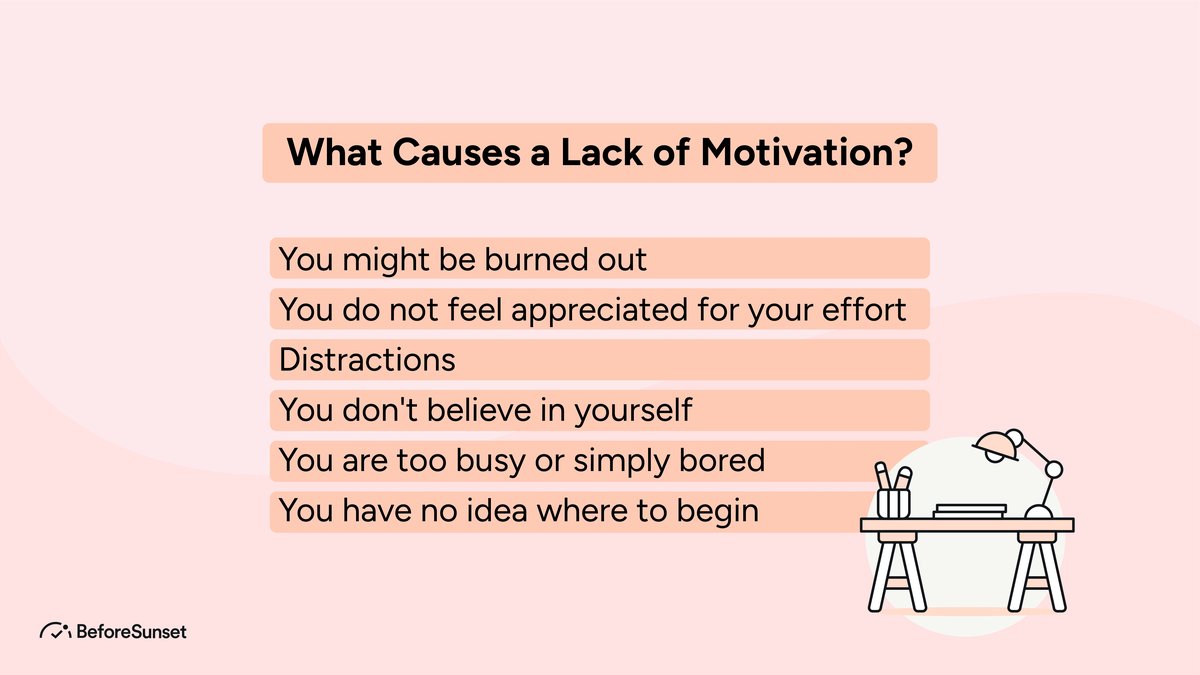
Motivation isn't a constant. It ebbs and flows. But a persistent lack of it often signals a deeper issue. Let's break down some common culprits:
- The Overwhelm Effect: A monstrous to-do list can paralyze you before you even start. It's like staring at a mountain instead of focusing on the first step.
- The Burnout Spiral: Constant stress, long hours, and lack of work-life balance inevitably lead to burnout, sucking the joy out of everything, including work.
- The Mismatch Problem: Are your skills and interests aligned with your current role? A lack of challenge or feeling pigeonholed can kill motivation fast.
- The Toxic Swamp: A negative work environment – bullying, office politics, untrustworthy leadership – can drain your energy and make you dread going to work.
- The Feeling Unseen: When your efforts go unnoticed and unappreciated, it's natural to feel demotivated. Why bother putting in the extra effort if no one cares?
- The Life Intrusion: Personal problems and major life changes inevitably spill over into your work life, making it difficult to focus and stay motivated.
Digging Deeper: Identifying Your Personal Motivation Blockers
While those are common reasons, understanding your specific drivers is key. Ask yourself these questions:
- What used to motivate me that no longer does? This helps identify if it's a change in your job, your values, or simply burnout.
- What tasks do I consistently avoid? These are your "motivation kryptonite." Understanding why you avoid them is crucial. Is it the complexity, the boredom, or the perceived lack of value?
- Am I physically and mentally depleted? Lack of sleep, poor diet, and constant stress can severely impact your energy levels and motivation.
- Do I feel a sense of purpose in my work? Feeling like your work contributes to something meaningful is a powerful motivator. If that's missing, you're likely to struggle.
- Is my work aligned with my values? If your work conflicts with your core beliefs, it can create internal conflict and sap your motivation.
Example:
- Sarah used to be highly motivated by career advancement. Now, after starting a family, her priority has shifted to work-life balance. The pressure to climb the corporate ladder now feels draining rather than motivating. Her blocker? A misalignment between her current work priorities and her previous career ambitions.
Rekindling the Flame: Practical Strategies to Boost Motivation
Once you've identified the source of your demotivation, you can start implementing strategies to get back on track. Remember, it’s often a matter of testing and tweaking to find what works for you. You can get motivated to work again by trying some of these techniques.
1. Taming the To-Do List: Strategy for Overwhelm
- Prioritize Ruthlessly: Use the Eisenhower Matrix (Urgent/Important) to focus on what truly matters.
- Break it Down: Big projects are daunting. Divide them into smaller, manageable tasks.
- Timeboxing: Allocate specific time slots for specific tasks. This creates structure and helps prevent procrastination.
Example: Instead of "Complete Project X," break it down into "Research Topic A (1 hour)," "Draft outline (30 minutes)," "Write introduction (1 hour)."
2. Combating Burnout: Reclaiming Your Energy
- Set Boundaries: Protect your personal time. Don't answer emails after hours or on weekends.
- Schedule Breaks: Short, regular breaks throughout the day can significantly improve focus and prevent burnout. Get up, stretch, walk around.
- Prioritize Self-Care: Make time for activities that you enjoy and that help you relax and recharge.
- Disconnect to Reconnect: Step away from technology and reconnect with activities like walking in nature.
Example: Block out 30 minutes each day for exercise, even if it's just a brisk walk.
3. Finding Alignment: Injecting Purpose and Interest
- Seek Out Challenging Tasks: If you're bored, ask for opportunities to work on projects that stretch your skills and interests.
- Connect Your Work to the Bigger Picture: Understand how your contributions impact the company's goals or the lives of others.
- Find Mentorship Opportunities: Becoming a mentor to a new employee can boost confidence, purpose and motivation.
- Look Internally: If what you do no longer excites you, think of switching to a department that does excite you.
- Consider a Career Change: If you are not fulfilled, then consider looking for a job you are passionate about.
Example: If you're a data analyst who enjoys environmental issues, volunteer to analyze data for a company sustainability project.
4. Neutralizing Toxicity: Protecting Your Well-being
- Document Everything: Keep a record of any instances of bullying, harassment, or unfair treatment.
- Set Clear Boundaries: Don't engage in office gossip or negativity.
- Find Allies: Connect with supportive colleagues who can offer emotional support.
- Escalate Issues: If the situation doesn't improve, report it to HR or your manager.
- If Necessary: Consider looking for employment elsewhere.
Example: If you are experiencing poor treatment from a direct manager, look to switch departments.
5. Feeling Valued: Seeking Recognition and Support
- Communicate Your Accomplishments: Don't be afraid to share your successes with your manager and colleagues.
- Ask for Feedback: Regularly solicit feedback on your performance to identify areas for improvement and to demonstrate your commitment to growth.
- Seek Out Opportunities for Recognition: Apply for awards or nominate yourself for company recognition programs.
- Find a Community: Look for employees on a similar career path to connect and support each other.
Example: If you complete a project successfully, send a brief summary of your accomplishments to your manager.
6. Managing Life's Interruptions: Minimizing the Impact
- Acknowledge and Accept: Recognize that personal challenges will inevitably affect your work.
- Communicate with Your Manager: Be transparent about what you are going through so they can offer support.
- Lean on Your Support System: Talk to friends, family, or a therapist about your struggles.
- Seek Professional Help: Don't hesitate to seek professional help if you're struggling to cope.
Example: Explain a personal matter to your boss and request time off or a change of work schedule.
The Motivation Playbook: Actionable Steps You Can Take Today
- Identify Your Blocker: Use the questions above to pinpoint the root cause of your demotivation.
- Choose One Strategy: Select one strategy from the list above that addresses your specific blocker.
- Implement It Today: Take action immediately. Don't wait until tomorrow.
- Track Your Progress: Keep a journal or log to monitor your mood, energy levels, and productivity.
- Adjust as Needed: If your initial strategy doesn't work, don't give up. Experiment with different approaches until you find what works for you.
Quick Answers: Common Questions About Lack of Motivation
Q: Is it normal to lose motivation sometimes?
A: Absolutely. Everyone experiences dips in motivation. It's a natural part of being human. The key is to identify the cause and take steps to address it.
Q: What if I just don't like my job anymore?
A: That's a valid reason for demotivation. Explore your options. Can you transfer to a different role within the company? Should you start looking for a new job that aligns better with your interests and values?
Q: How do I motivate myself when I'm really struggling with self-doubt?
A: Challenge your negative thoughts. Focus on your past successes. Break down tasks into smaller, more manageable steps. Seek support from trusted friends, family, or a therapist. Remember self-compassion; be kind to yourself.
Q: What if I've tried everything and I'm still not motivated?
A: Persistent lack of motivation can be a sign of an underlying mental or physical health issue. Consider seeking professional help from a therapist or doctor.
Take Control and Reclaim Your Drive
Lack of motivation isn't a life sentence. By understanding the reasons behind it and implementing the right strategies, you can reignite your passion, find more enjoyment in your work, and achieve your goals. Start small, be patient, and celebrate your progress along the way. The journey to motivation is a marathon, not a sprint.